
Workplace safety isn’t just a box to tick, it’s a legal requirement and an essential part of protecting your employees, visitors and your business.
While most companies understand the importance of risk assessments and health & safety policies, one major factor is often overlooked: Cleaning!
A poorly maintained workplace increases the risk of accidents, illness, insurance claims and even legal action. Professional office cleaning not only helps maintain a clean, welcoming workspace but also plays a crucial role in reducing workplace liability and supporting health and safety compliance.
What is Workplace Liability?
Workplace liability refers to a business’s legal responsibility to ensure the health, safety and welfare of anyone entering the premises, including employees, contractors, clients and visitors.
Failure to uphold proper cleaning and maintenance practices can result in unsafe conditions. If someone becomes ill or injured due to neglect, the business may be deemed legally liable.
The consequences of poor workplace safety can include:
- Employee injury or compensation claims
- Higher insurance premiums
- Fines and regulatory action
- Damage to brand reputation
- Reduced productivity and increased staff absence
Put simply, liability isn’t just about avoiding lawsuits; it’s about looking after people and protecting your business. This means employers must actively manage hazards, hygiene standards and cleaning practices to stay compliant with UK workplace safety laws.
Top Workplace Hazards Caused by Poor Cleaning
When office cleaning isn’t prioritised, hazards can build up quickly throughout the workplace. Poor hygiene and neglected maintenance not only create an unpleasant environment but also significantly increase the risk of accidents, illness, and long-term damage.
Here are the most common hazards linked to inadequate cleaning:
1. Slip & Trip Hazards
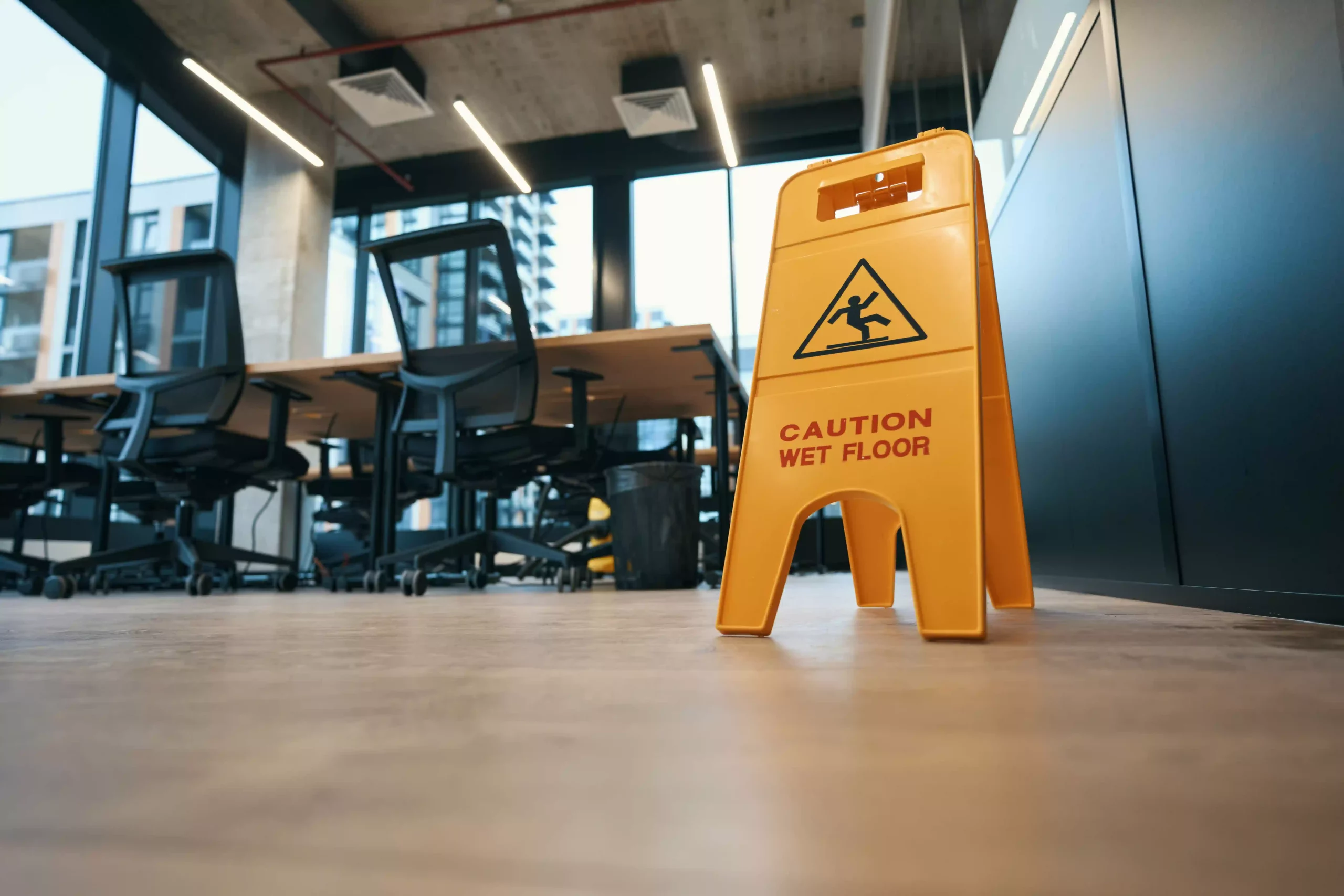
Slips, trips and falls are among the most frequent workplace accidents in the UK. In fact, the 2023/24 Health and Safety at Work statistics show that nearly a third (31%) of all non-fatal injuries were the result of slips, trips and falls on the same level.
These hazards typically happen due to:
- Wet or uncleaned floors
- Spills left unattended
- Cluttered or obstructed walkways
- Mud and moisture tracked indoors
- Damaged or uneven flooring was not reported or cleaned
- Cables, bags or waste left in communal areas
When cleaning isn’t consistently carried out, these hazards build up quickly, leaving businesses open to injury claims. Regular professional cleaning helps maintain safe walkways, promptly address spillages, and reduce risk throughout the building.
2. Illness & Spread of Germs
Offices are high-traffic environments where germs can spread rapidly. Shared desks, phones, meeting rooms, kitchens and toilets are all hotspots for bacteria and viruses. According to the HSE’s guidance on workplace infection risks, exposure to micro-organisms can cause a wide range of illnesses if hygiene standards aren’t properly maintained.
When cleaning is inconsistent, the risk of infection and cross-contamination increases, leading to:
- Higher sickness absence
- Reduced productivity
- Greater risk to vulnerable employees
- A workplace environment that feels unsafe or unhygienic
Regular professional cleaning, especially of high-touch points like door handles, lift buttons, taps, and shared equipment, will reduce the spread of germs and help keep your workforce healthy. Check out this blog on the top 7 dirtiest places in your office for common hotspots.
3. Poor Air Quality
Poor indoor air quality is a major, yet often invisible, workplace hazard. Dust, allergens, mould spores and pollutants can quickly accumulate in carpets, vents and hard-to-reach areas that are frequently overlooked during casual cleaning.
The HSE notes that employers must provide adequate ventilation to ensure a supply of fresh, clean air. Without proper cleaning and airflow, offices may experience symptoms commonly linked with sick building syndrome, such as:
- Increased respiratory issues
- Headaches, fatigue and reduced concentration
- Aggravated allergies and sensitivities
- Higher illness rates
- An overall decline in employee wellbeing
Professional cleaning helps remove dust and contaminants from surfaces, soft furnishings and ventilation areas, supporting cleaner air and a healthier indoor environment.
4. Risk of Fire
Fire safety is another area closely linked to cleaning and maintenance. According to the government’s fire safety risk assessment for offices, clutter, waste build-up, and poorly maintained equipment can all contribute to preventable fire risk.
Common cleaning-related fire hazards include:
- Dust accumulation around electrical equipment
- Overflowing waste bins and combustible materials
- Blocked fire exits or escape routes
- Grease or debris in kitchen areas
- Poorly maintained storage rooms
A professional cleaning routine ensures that waste is removed, surfaces are kept clear, and high-risk areas (such as kitchens, electrical rooms and corridors) remain safe and compliant with fire safety guidance.
5. Pest Infestation
Poor office hygiene can quickly attract pests such as rodents, cockroaches, flies, and ants. As highlighted by Rentokil, food crumbs, overflowing bins, dirty staffrooms and neglected communal areas are some of the most common causes of pest activity in the workplace.
Pest problems don’t just damage your reputation; they also create serious health and safety concerns by:
- Contaminating surfaces and food
- Spreading bacteria and disease
- Damaging office equipment and wiring
- Creating unpleasant odours
- Making staff feel unsafe or uncomfortable
Regular cleaning, especially in kitchens and shared spaces, greatly reduces the chances of pest infestations by removing the food sources and waste that attract them.
How professional cleaning reduces workplace liability
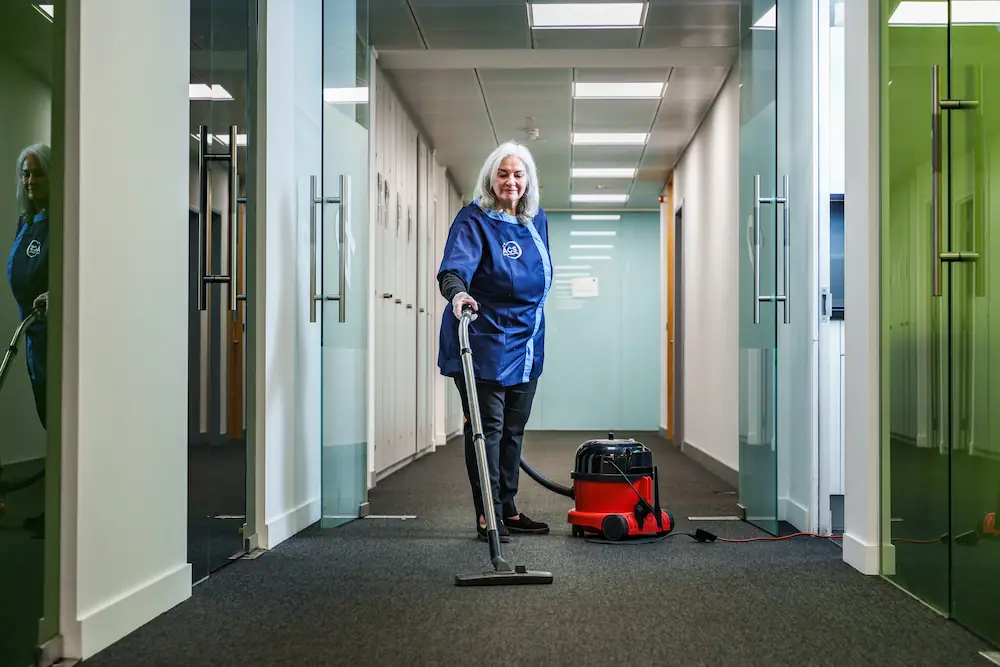
Professional office cleaning is one of the most effective ways to reduce workplace liability, prevent accidents and support ongoing health and safety compliance. A structured cleaning service does far more than keep the office tidy; it actively removes risks and helps maintain a safe working environment.
Here’s how professional cleaners help protect your business:
- A cleaning contract provides consistency: A structured cleaning schedule ensures tasks are completed reliably, supporting compliance and reducing liability risks.
- Trained staff following proper protocols: Professional cleaners are trained in safe cleaning methods, COSHH, and proper chemical use, reducing the risk of accidents or mistakes.
- Regular cleaning prevents accidents: Routine cleaning removes everyday hazards like spills, clutter and slippery floors before they cause harm.
- Lower risk of illness and staff sick days: A hygienic workplace limits the spread of germs, helping keep employees healthier and reducing absenteeism.
- Improved air quality: Deep cleaning removes dust, allergens, and pollutants, creating a cleaner, safer environment to work in.
Legal & Compliance
Under UK law, businesses are required to provide a clean, safe working environment. Professional cleaning supports compliance with:
These regulations require employers to control preventable hazards, including hygiene issues, poor ventilation and unsafe walkways.
Professional cleaning also helps employers meet their Duty of Care, providing a safer environment for staff and visitors. Cleaning logs and documentation support insurance requirements, reduce the likelihood of claims and demonstrate responsible risk management.
Why You Shouldn’t Rely on Staff for Cleaning
It’s common for businesses to ask employees to handle quick “on-the-go” cleaning tasks, such as wiping desks or tidying shared areas. While this might seem practical, it often leads to important cleaning tasks being missed, done incorrectly or ignored altogether, increasing the risk of accidents, illness and damage.
Here’s why relying on staff for cleaning isn’t effective:
- Risk of damaging surfaces, screens or equipment
- Not trained in COSHH or safe chemical use
- Cleaning is inconsistent or rushed
- Higher chance of spreading germs through incorrect methods
- No insurance or legal protection if staff are injured
Why hire a professional cleaning team
A professional cleaning team offers far more than a tidy office. It provides structure, accountability and safety.
- Better first impressions: Clients and visitors instantly notice the cleanliness and professionalism of your workspace.
- Predictable costs: A regular cleaning contract provides fixed pricing and reliable budgeting.
- Consistency: Scheduled routines ensure the office is cleaned thoroughly and consistently.
- Safer workplace: Hazards are identified and addressed quickly, reducing accidents and illness.
- Legal protection: Cleaning logs, trained staff and compliance procedures support audits and protect against claims.
- Happier, healthier staff: A clean workspace supports wellbeing, productivity and morale.
For a deeper look at the advantages of outsourcing your cleaning, you can also read our guide on the Top 9 Reasons to Hire Professional Office Cleaners.
Improve Your Workplace Safety with ACS Office Cleaning Services
Professional office cleaning isn’t just about hygiene; it’s a critical part of workplace safety and legal compliance. By reducing hazards, preventing illness, and ensuring the workspace meets regulatory standards, professional cleaning teams help protect your business from avoidable risks and costly claims.
If you want complete peace of mind and a safer, healthier working environment, now is the perfect time to put a professional cleaning contract in place.
Ready to reduce liability and improve workplace safety? Contact us today to build a tailored cleaning plan for your business.